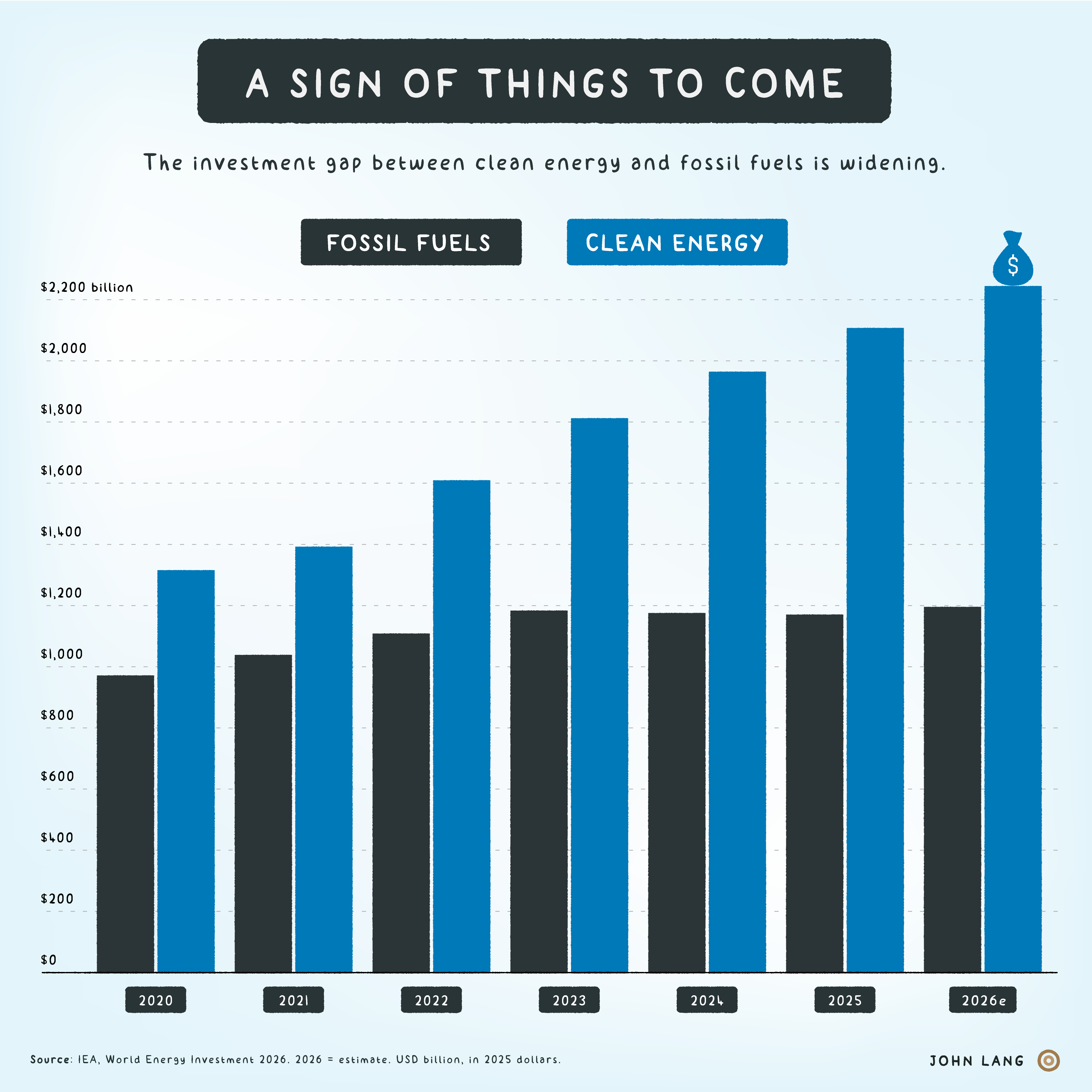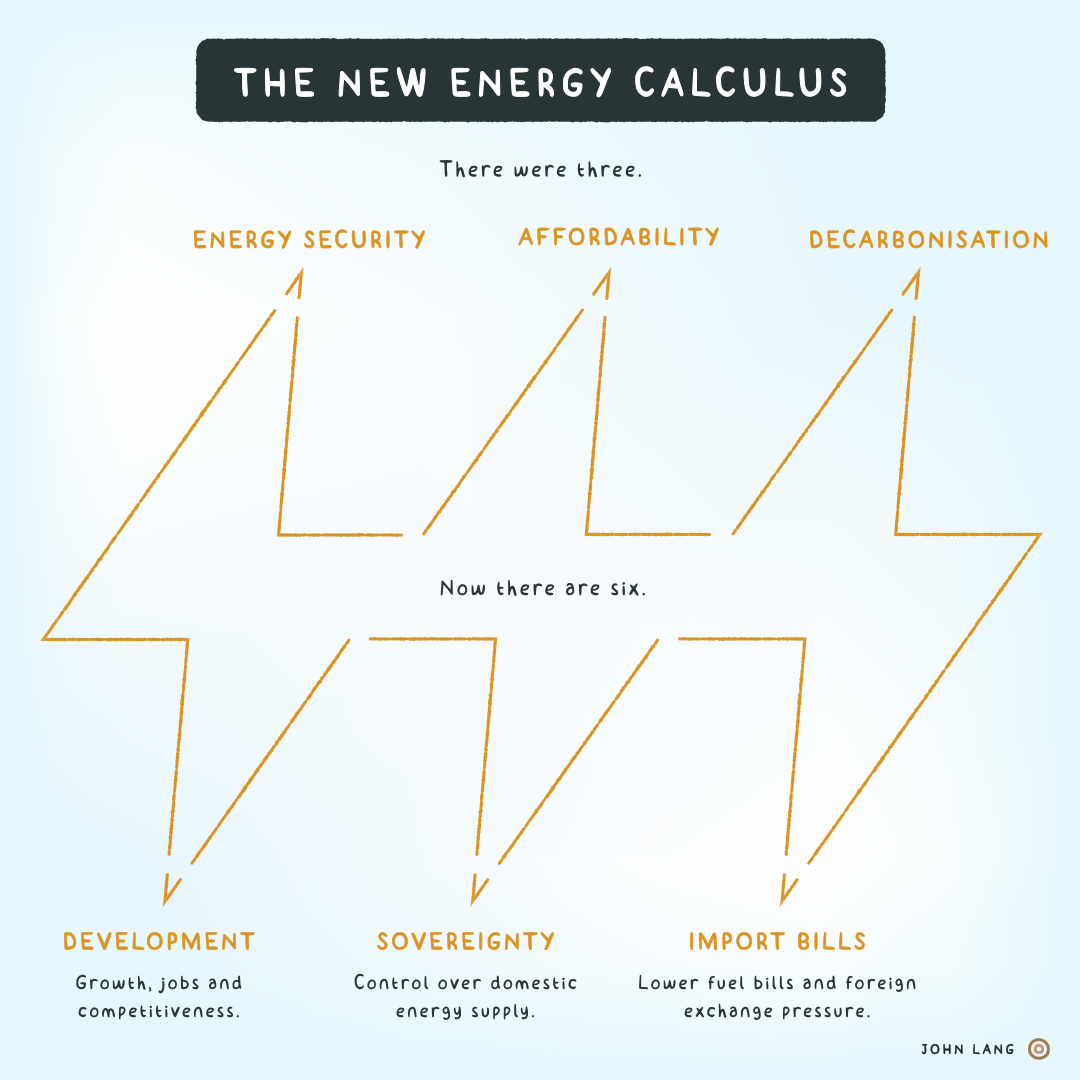
For years, energy policy was framed as a ‘trilemma’: balancing security, affordability and decarbonisation. The accelerating clean energy transition and geopolitical volatility are expanding the calculus.
Governments are now balancing at least six goals. Clean energy has shifted from a policy add-on to a core pillar of economic development, energy sovereignty and macroeconomic resilience.
Recent shocks are supercharging this shift. Russia’s invasion of Ukraine and the 2026 Iran crisis have exposed the fragility of fossil fuel supply chains. As the Iran crisis deepened, IEA chief Fatih Birol warned that ‘the vase is broken… it will be very difficult to put the pieces back together’, suggesting a structural loss of trust in fossil fuels and a likely boost to clean energy (renewables and nuclear). History offers instruction: the twin oil shocks of the 1970s reshaped energy systems for decades; today’s disruptions are likely to prove similarly consequential.
From three to six
First, development. Clean energy investment drives jobs, industrial growth, innovation and competitiveness. Nations are still thinking primarily through the lens of affordability and security, but they are also racing to capture supply chains, manufacturing capacity and the industries of the future – increasingly the industries of today. Look to the US and EU, where industrial policy has, at times, been explicitly geared towards creating jobs and catalysing domestic industries.
Second, sovereignty. Investing in domestic renewables, grids, storage, energy efficiency and electrification can reduce both reliance on imported fossil fuels and exposure to distant geopolitical shocks. In an age of energy weaponisation and fractured multilateralism, control over domestic energy supply has become a strategic asset. China is the clearest example. As Bill McKibben recently wrote:
Sunlight travels 150 million kilometres to reach Earth, none of those through the Strait of Hormuz.
Third, import bills and the balance of payments. Many countries – including India, Japan and Pakistan – spend massive sums importing coal, oil and gas. Replacing those imports with domestically-produced clean energy can strengthen trade balances, reduce external vulnerability and keep more money circulating at home, with all the attendant economic multiplier effects. Take Pakistan. Faced with high fuel import costs over recent years, households and businesses adopted solar at light speed to cut bills and import reliance. In just the first few months of 2026, its solar boom is estimated to have saved more than $6 billion in gas imports. Germany and Turkey show this effect at a larger scale, where sustained renewable investment is already translating into billions in avoided gas imports.
The clean energy transition is advancing regardless of whether governments prioritise tackling climate change or air pollution. It also serves growth, resilience and self-reliance in a more volatile world. And most countries where fossil generation is still growing are in sun-rich regions, meaning they are well positioned to leapfrog to cheaper solar and batteries.
This all matters because the more decarbonisation aligns with national interest, sovereignty and other political goals, the harder it becomes to reverse. And the easier it becomes to normalise and accelerate.