Berlin. Kyoto. Copenhagen. Paris. Glasgow. Dubai. Belém. For more than three decades, the world's governments have travelled from city to city, trying to solve the world's biggest global collective action problem. Some summits changed the course of climate diplomacy. Others ended in disappointment.
The annual UN climate summits are known as COPs (Conferences of the Parties). The 'Parties' are the governments that signed up to the UN Framework Convention on Climate Change (UNFCCC), agreed in 1992 and entering into force in 1994.
Berlin hosted the first COP in 1995. Thirty-one years later, delegates are preparing to gather in Antalya, Türkiye, for COP31.
Three decades, three turning points
Three summits stand out in particular.
- Kyoto, 1997 (COP3). The first major breakthrough. Developed countries agreed to legally binding emission reduction targets under the Kyoto Protocol. But developing countries had no equivalent obligations, and the United States never ratified the agreement. The argument in Washington? Why should we have binding targets if China doesn't?
- Copenhagen, 2009 (COP15). Expectations were sky-high. The hope was to agree a new, comprehensive global climate treaty. Negotiations broke down, although the resulting Copenhagen Accord helped establish the 2°C temperature goal and a commitment by developed countries to mobilise $100 billion annually in climate finance by 2020. Hopenhagen became Nopenhagen.
- Paris, 2015 (COP21). Third time lucky. Almost every country agreed to 'pursue efforts to limit global heating to 1.5°C' and hold it 'well below 2°C'. The 1.5°C goal was a hard-won victory for small island developing states (SIDS), particularly those in the Pacific. They had spent years arguing that 2°C threatened their very survival.
Paris turned international climate cooperation on its head, replacing top-down targets with bottom-up climate plans (nationally determined contributions or NDCs). It was the pragmatic compromise that brought almost every nation on board.
Every five years, nations are expected to strengthen their pledges through a 'ratchet mechanism' designed to close the gap between their collective ambition and the Paris temperature goals. Agreeing on a destination turned out to be easier than agreeing on how to get there.
The net zero era
Since Paris, the negotiations have tried to shift attention to implementation, with varying degrees of success.
The IPCC's landmark 2018 Special Report on 1.5°C, Greta Thunberg-inspired climate activism and the build-up to COP26 in Glasgow helped unleash a wave of net zero commitments.
In 2018, less than 20% of global GDP was covered by net zero targets. By 2021, that figure had surged to over 90%, as governments, cities and companies rushed to make pledges.
At Glasgow (COP26), governments agreed to accelerate efforts towards phasing down unabated coal power.
At Sharm el-Sheikh (COP27), they agreed to establish a fund to help vulnerable nations respond to climate-related 'loss and damage'.
At Dubai (COP28), nations agreed, for the first time, to transition away from fossil fuels in energy systems.
Each was an incremental step forward. Each exposed the limits of international consensus.
The COP process has no global government to enforce its decisions. Nations negotiate, make commitments, report on progress and face pressure from their peers, civil society and the wider world. Well, that's the theory. Progress can move at the pace of the most reluctant country in the room. In Five Times Faster, Simon Sharpe argues that climate diplomacy has spent too long negotiating national emissions targets and too little time helping countries work together to accelerate change in specific sectors like electricity, transport and steel.
That's in part why new forms of cooperation are emerging. In Colombia, 57 countries gathered to advance the inaugural transition away from fossil fuels (TAFF) conference – an example of how coalitions of the willing can push ahead without waiting for global consensus. A second conference is pegged for July next year in Tuvalu, a tiny pacific island threatened by sea-level rise.
Towards 2050
If the annual cycle continues uninterrupted, COP55 will take place in 2050.
The IPCC's pathways limiting global heating to 1.5°C with no or limited overshoot envisaged reaching net zero CO2 in the 'early 2050s'. But emissions have not fallen fast enough. Overshooting 1.5°C is now unavoidable. How far we overshoot, and for how long, depends on what happens over the next decade.
The COP process has helped move the world from almost no coordinated climate action to a global framework for cutting emissions. But the atmosphere responds to cumulative emissions, not consensus.
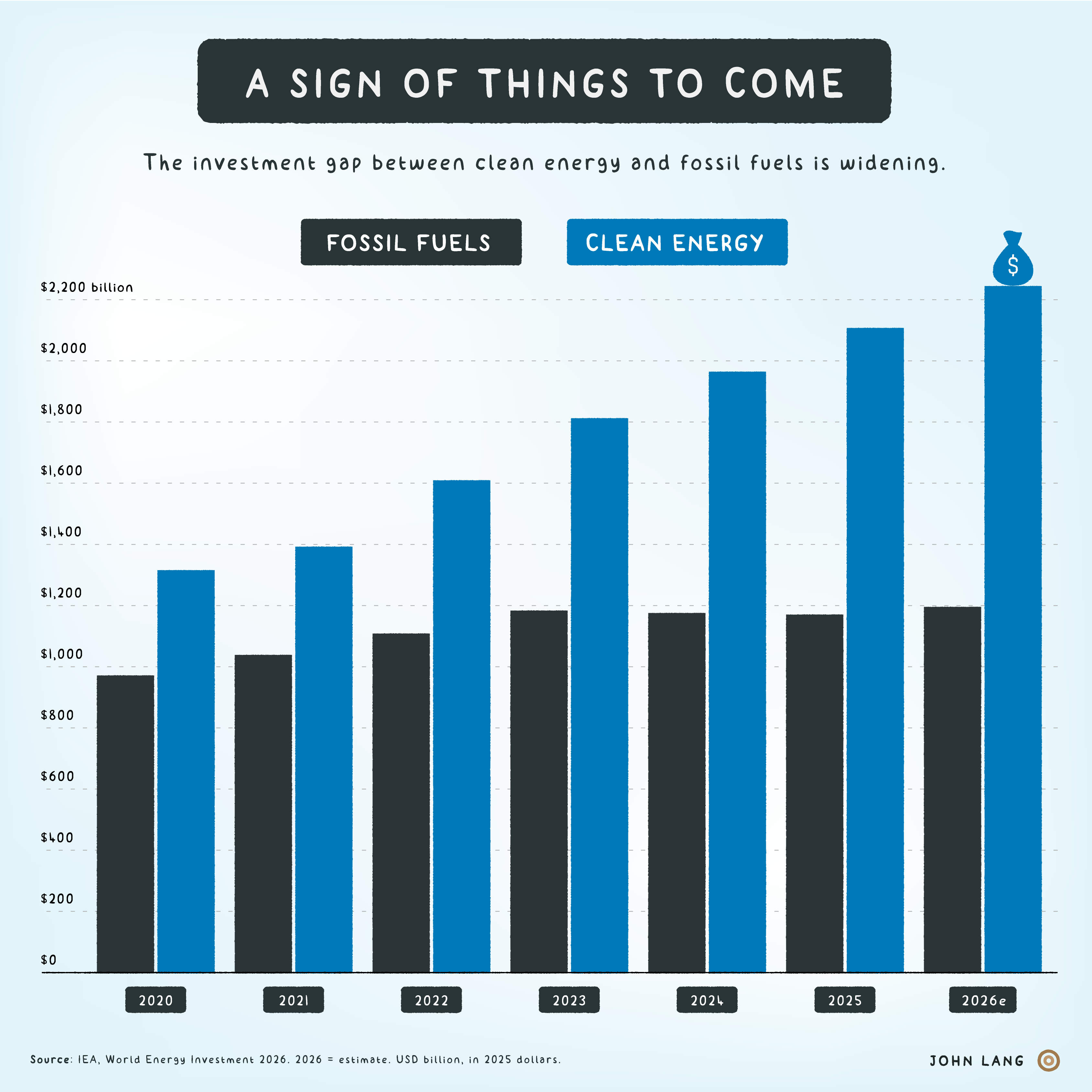
The next quarter-century will test whether governments can finally turn three decades of climate diplomacy into a downward curve in emissions. The rise of clean energy offers hope, as do signs that China's CO2 emissions may have peaked. But the world needs more, faster, in a world where climate action competes with other political priorities.