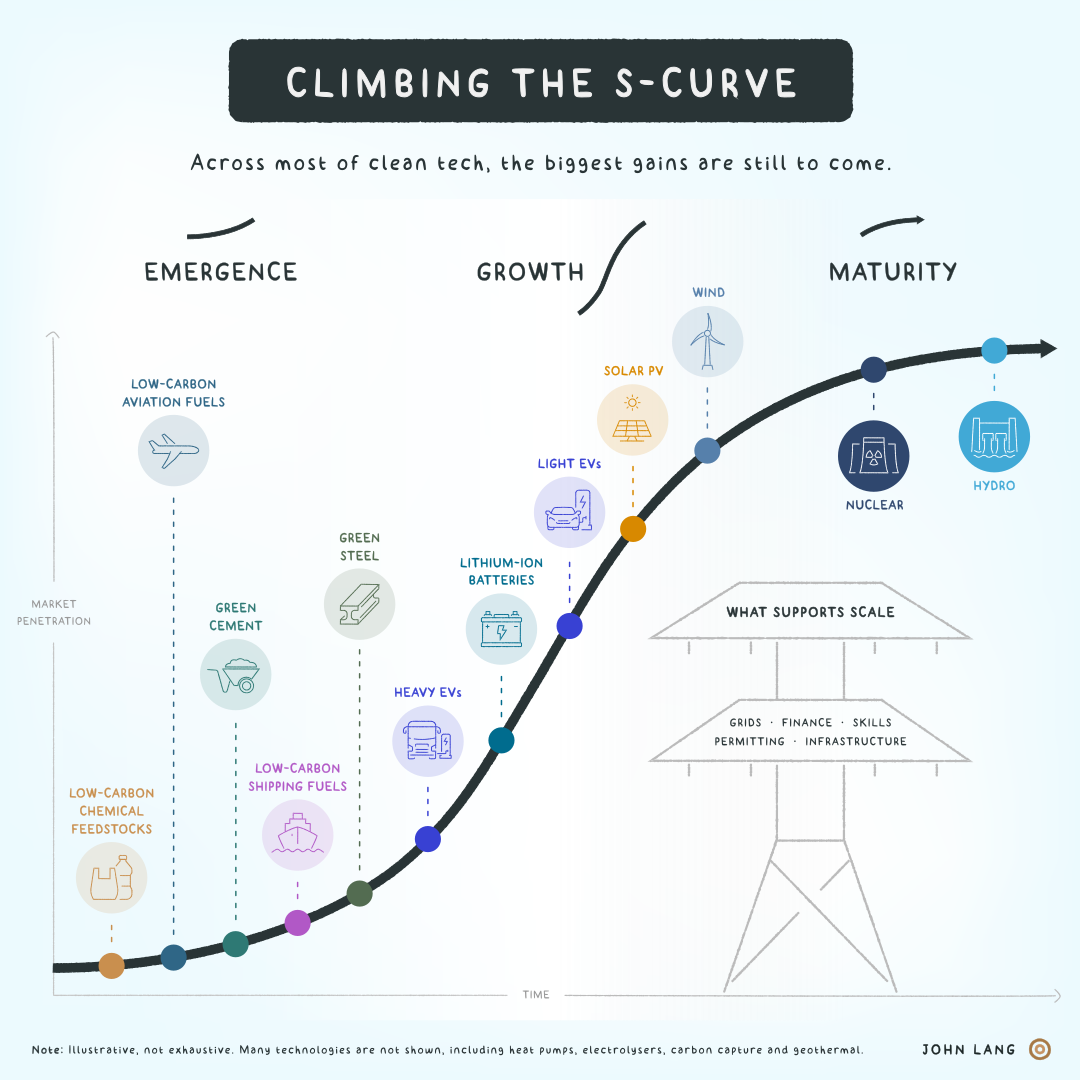
Most technologies follow a familiar pattern: slow beginnings, rapid acceleration, then boring maturity. Economists call this an S-curve.
Many clean technologies are starting their climb to displace fossil fuels. History shows that once a given technology becomes available, affordable and attractive enough, adoption often becomes self-reinforcing.
Solar and wind sit furthest up the growth part of the curve.
Decades of relentless cost declines has solar on track to generate more electricity than the world's nuclear power plants in 2026, wind turbines in 2027, hydropower in 2028, gas-fired power stations in 2030 and coal by 2032.
Oxford researchers reckon that if today's learning rates continue, solar could eventually provide more useful energy than the world currently gets from all energy sources combined.
Wind isn't far behind. The industry installed a record 165 GW of new capacity in 2025, 40% more than 2024.
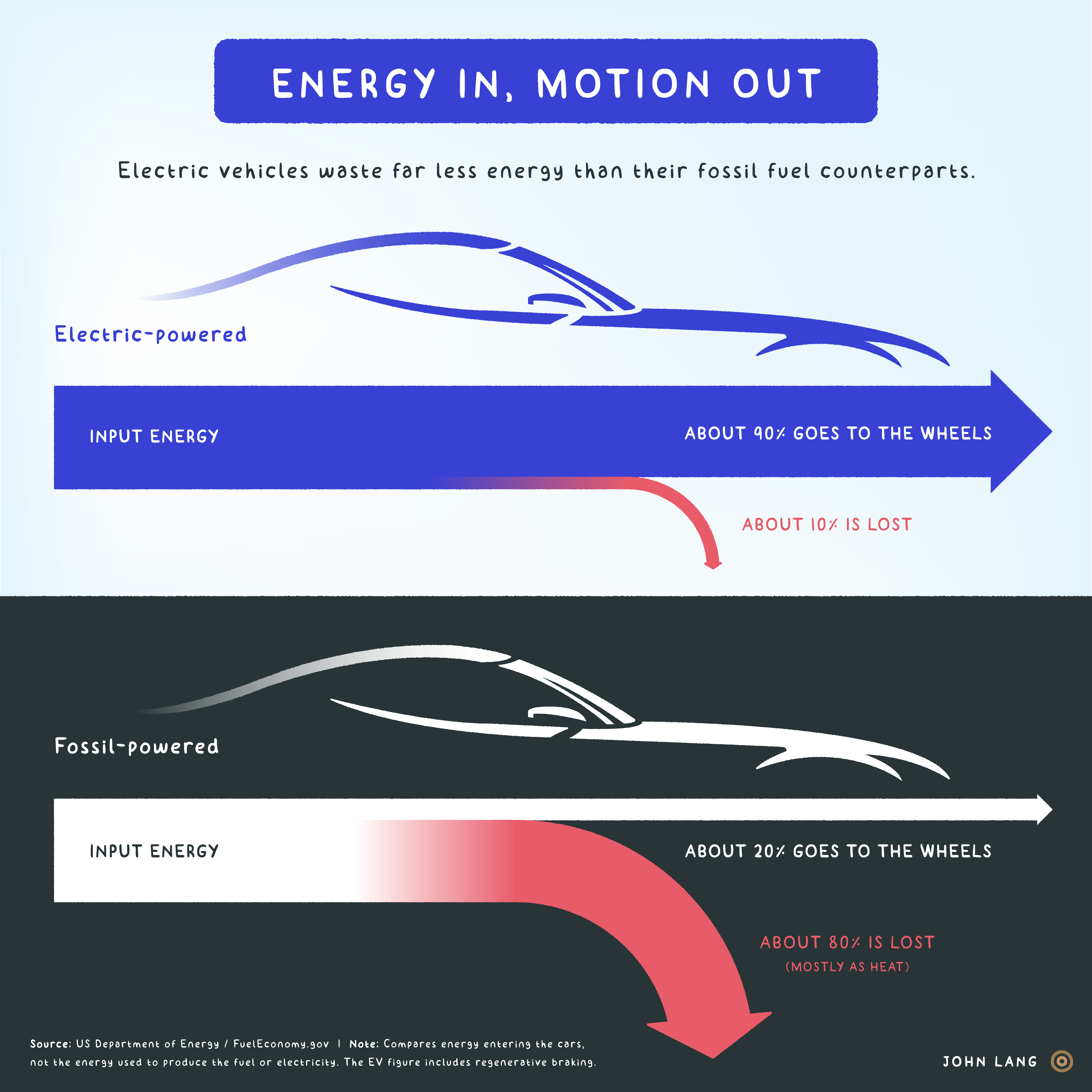
A touch further down are lithium-ion batteries and electric vehicles (EVs). BloombergNEF expects 27% of cars sold globally in 2026 to be electric, up from 9% in 2021. Lithium-ion batteries follow a similar trajectory, helping lower EV costs while transforming buses, trucks and grid-scale storage. In China, electric trucks have leapt from around 1% of new sales in 2021 to 25% in 2025.
Meanwhile, mature technologies continue to evolve, just more slowly. Traditional nuclear power is having somewhat of a renaissance as a cocktail of rising electricity demand, energy-security concerns and net zero goals revive investment, despite long lead times and stubbornly high costs.
The harder-to-abate sectors are beginning their climb
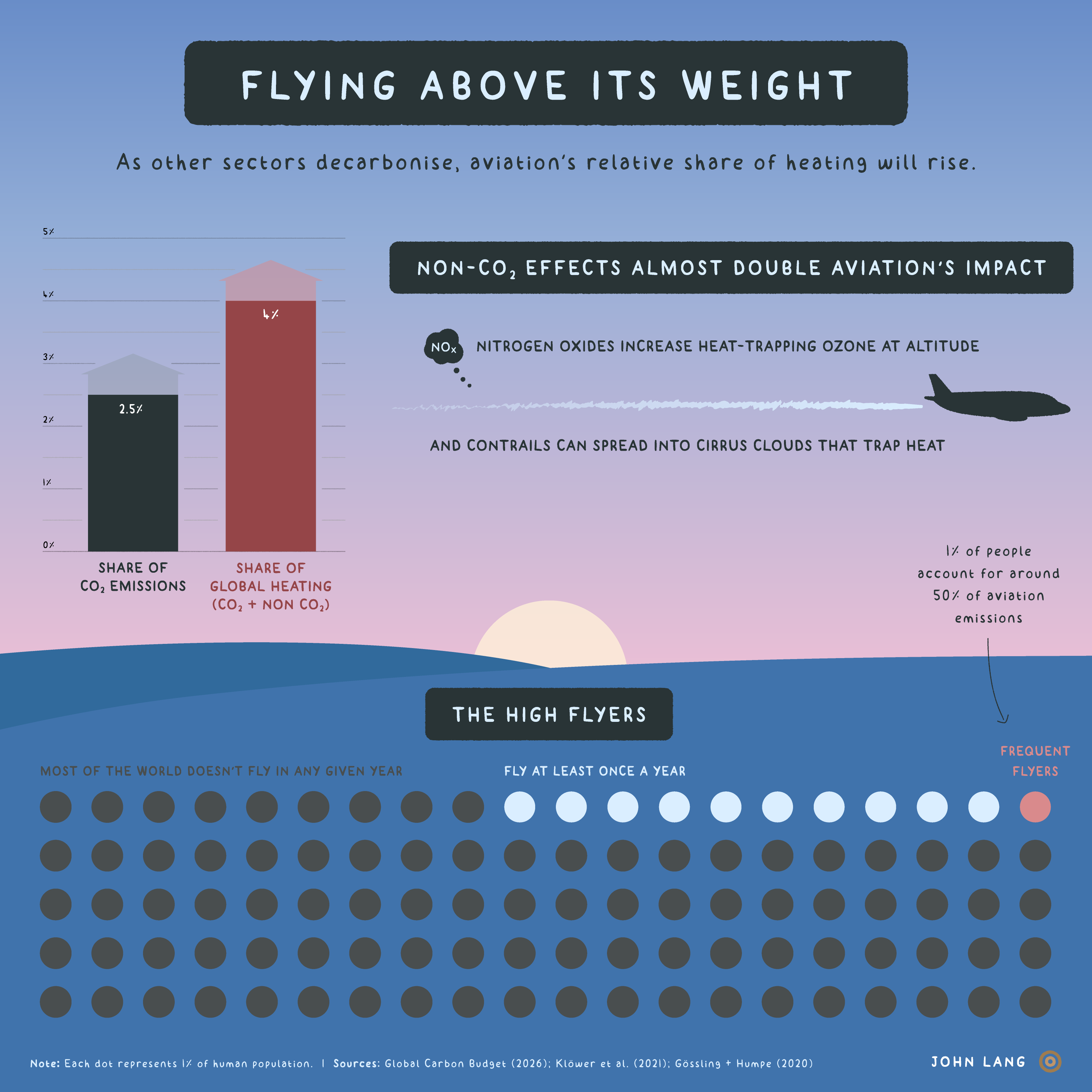
Steel, cement, aviation, shipping and chemicals all present unique engineering and integration challenges. None has a silver bullet, but viable pathways are emerging. Around half of in-development steel capacity is planning to use electric arc furnaces. Methanol- or ammonia-powered ships are making commercial inroads on the eye-watering task of replacing 300 million tonnes of oil each year. And investment is flowing into low-carbon aviation fuels, while battery-powered aircraft are beginning to take off in regional flights and air taxis. Low-carbon chemical feedstocks have some distance to go, needing to overcome long supply chains, fossil dependence and rising demand.
Clean tech doesn't tend to advance in isolation. Many are enabling technologies whose progress spills over into others. More batteries help firm up solar and wind by storing cheap electricity for evening peaks (see, for instance, California and South Australia). Similarly, better and cheaper electrolysers – the machines that make green hydrogen – will, in time, support steel, chemicals and shipping by making it more affordable for industry and the production of low-carbon fuels and feedstocks.
The backbone of the energy system
Helping clean technologies climb their S-curves means investing in the systems around them.
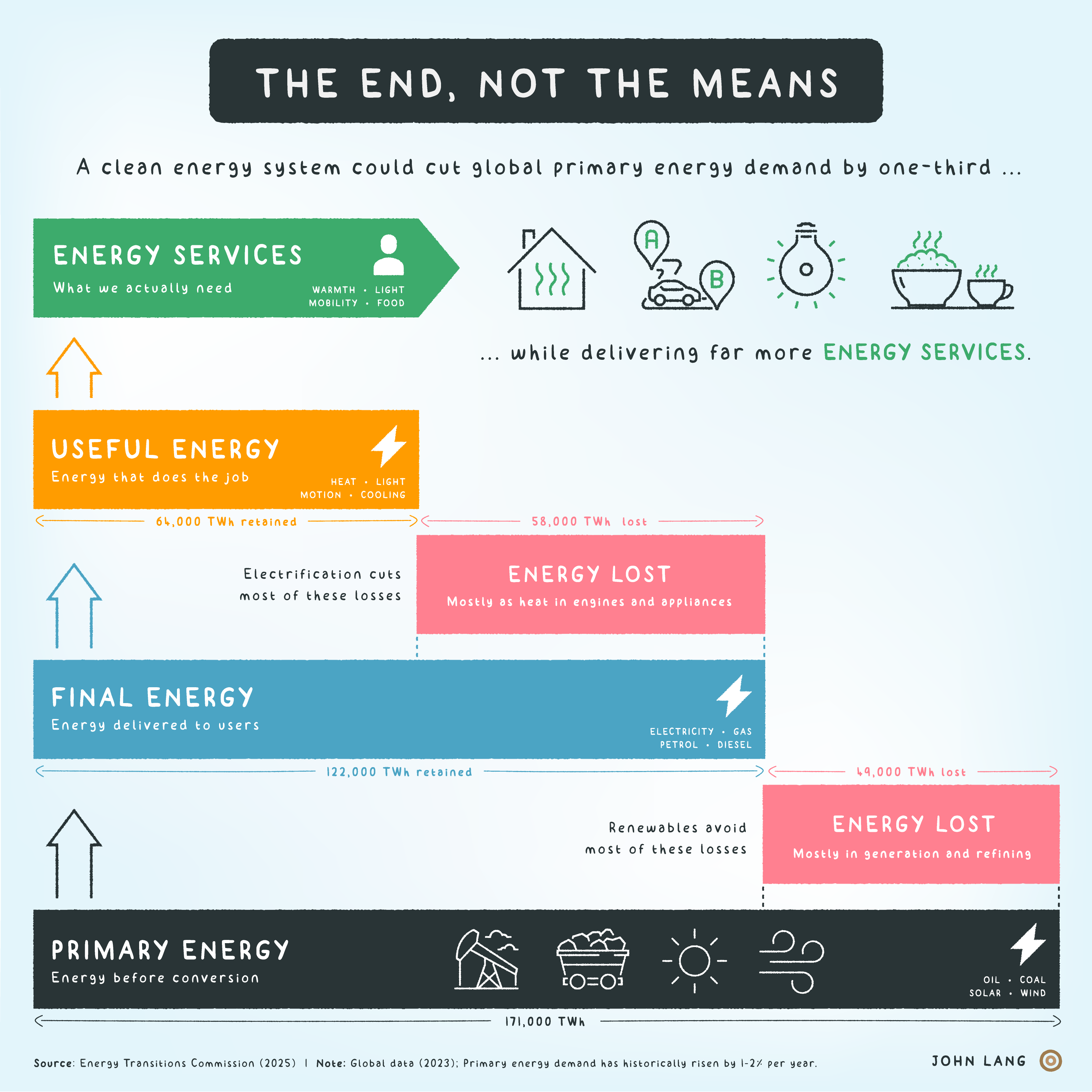
IRENA reckons annual grid investment needs to double from about $0.5 trillion in 2025 to $1 trillion every year over the next decade. In any plausible net zero pathway, electricity's share of final energy demand increases from about 20% today to between 60 and 70% by mid-century, with global generation increasing from around 20,000 TWh to a whopping 100,000 TWh. Delivering that amount of clean generation growth relies on an intricate dance between finance, transmission, storage, permitting, infrastructure and an upskilled workforce.
Energy security concerns in the wake of the Iran crisis should help. IEA chief Fatih Birol thinks that reducing dependence on imported fossil fuels will accelerate investment in renewables, nuclear, EVs and energy efficiency.
The UK's Climate Change Committee recently estimated that avoiding just one future fossil fuel price shock would save the UK more than the entire cost of reaching net zero by 2050.
Most of the technologies we need to decarbonise already exist. The transition doesn’t have to wait for a miracle breakthrough. It mostly depends on scaling the electricity system and infrastructure that lets clean technologies, each with their own challenges, climb their own S-curves.