‘Net zero is not a political slogan – it’s physics and chemistry.’ — Jim Skea, IPCC
Science tells us that to halt human-caused global heating, the world must bring CO2 emissions to net zero. All greenhouse gases (GHGs) should follow.
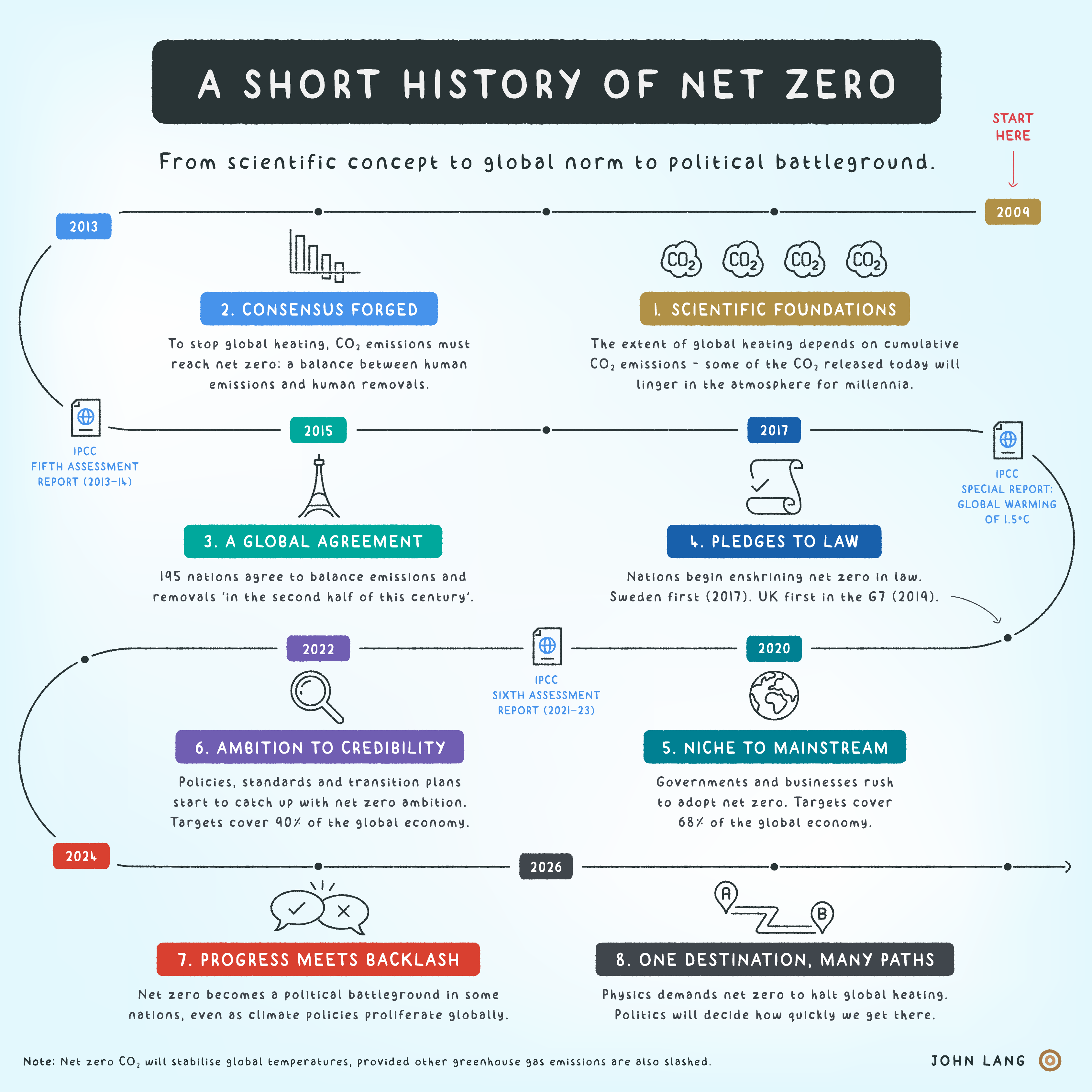
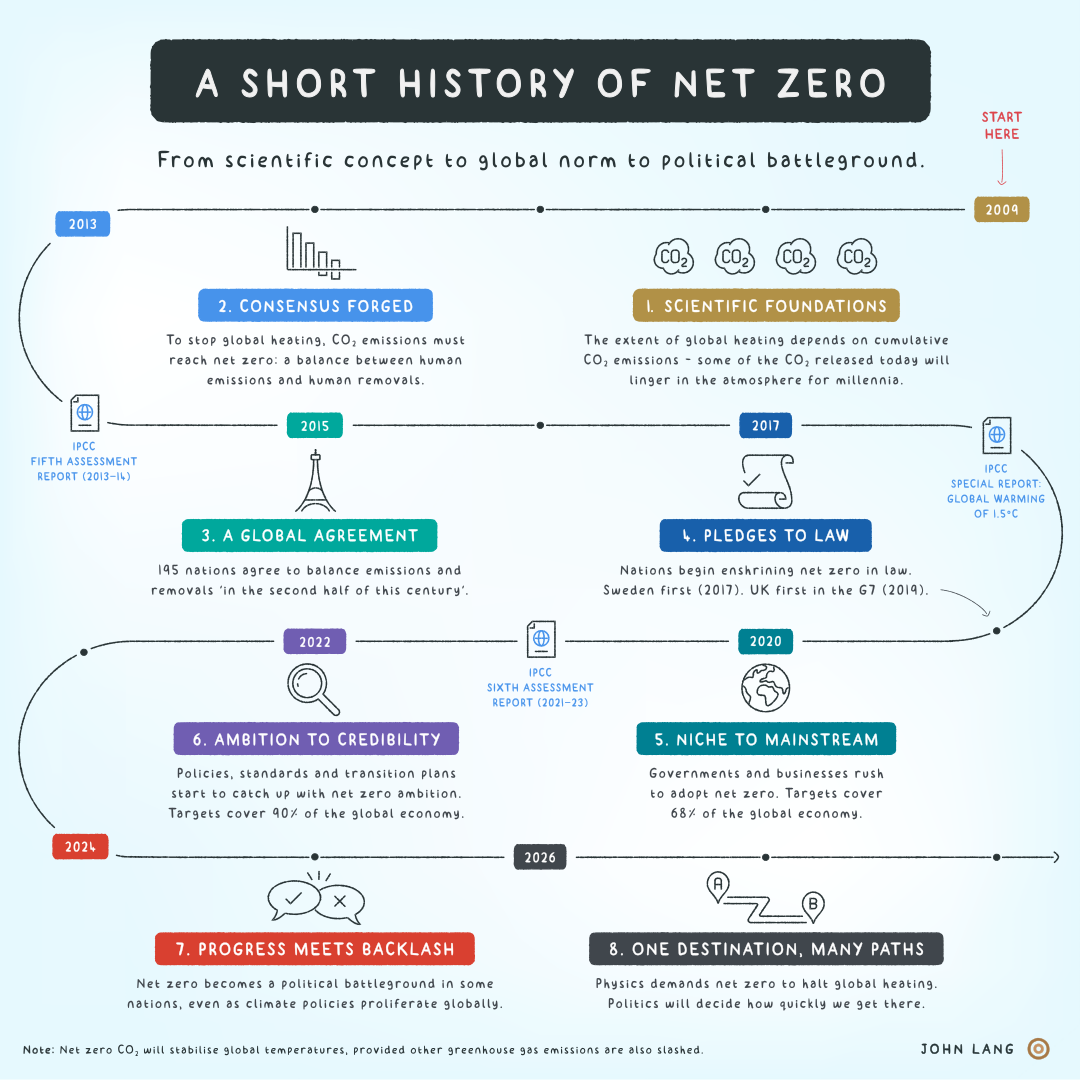
In its short history, net zero has travelled from scientific discovery to international agreement, ridden a tidal wave of pledges and run headlong into political backlash.
The story begins on a train bound for Exeter in 2005.
1. Science: 2005–2014
Two climate scientists, Myles Allen and Dave Frame, were studying climate model results on a laptop. They were heading to a conference convened by UK Prime Minister Tony Blair to discuss what constitutes 'dangerous climate change'.
For decades, climate science had focused on stabilising CO2 concentrations. But the relationship between concentrations and eventual warming was hard to pin down. Allen and Frame shifted the focus to cumulative CO2 emissions, revealing a much clearer link to global heating.
The total amount of CO2 humanity emits largely determines how hot Earth gets.
Their landmark 2009 paper, alongside research by Susan Solomon, Damon Matthews and colleagues, laid the scientific foundations of net zero.
By 2013, their insights were in the IPCC's Fifth Assessment Report. Temperature goals could now be expressed in terms of a finite carbon budget. And the world had an exit plan: every additional tonne of CO2 adds to global heating. Reach net zero and we stop adding to it.
2. Adoption: 2015–2020
Net zero entered international diplomacy when the 2015 Paris Agreement committed 195 countries to balancing human-caused greenhouse gas emissions and removals ‘in the second half of this century’.
In 2018, the IPCC's seminal Special Report on Global Warming of 1.5°C gave net zero a deadline. It showed that global CO2 emissions needed to reach net zero around 2050 to limit heating to 1.5°C above preindustrial levels.
Governments sprang into action. Sweden legislated in 2017, followed by the UK in 2019, the first G7 economy to do so. The EU (2050), China (2060), Japan (2050) and South Korea (2050) pledged net zero in 2020.
At the same time, climate governance was finding its feet. Almost 70 nations have now adopted climate framework laws, while the number of national climate advisory bodies has more than tripled since 2015. Variations of the UK's pioneering Climate Change Act 2008 underpin climate governance from New Zealand and Colombia to the EU.
3. Proliferation: 2021–2023
Ahead of and during COP26 in Glasgow, net zero became the organising principle for tackling climate change – as governments, businesses, cities and investors all piled in. The US (2050) and India (2070) signed up to net zero in 2021.
By mid-2022, national net zero targets covered 91% of the global economy. Some 19 of the G20 had a net zero target. But amid the rush to pledge, it was tempting to mistake spectacle for substance. Many national pledges lacked credible delivery plans. The same was true of thousands of companies with net zero targets.
One response came from a new UN Expert Group on Net Zero. Its 2022 Integrity Matters report laid out what ‘good net zero’ should look like. At the same time, standards-setting bodies – including the Science Based Targets initiative (SBTi) – set out to bring more rigour and accountability to companies' net zero strategies.
4. Progress meets backlash: 2024–2026
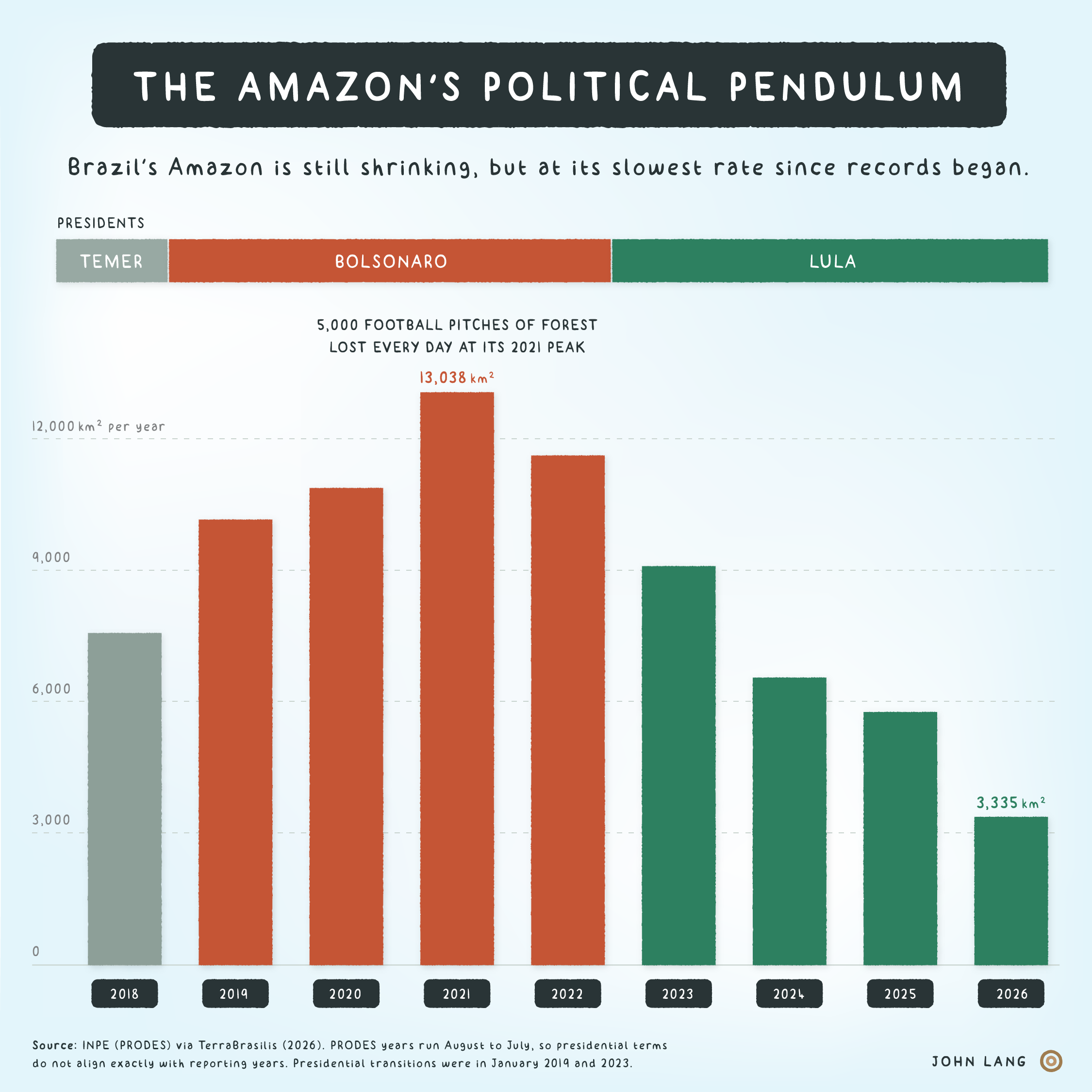
Net zero has become something of a political hot potato in certain countries, entangled in arguments over energy costs, competitiveness, energy security and the role of government. Wars, trade tensions, bulging deficits and competing priorities have made delivery harder still.
Meanwhile, Donald Trump has withdrawn the US from the Paris Agreement (for a second time) and announced its withdrawal from the underlying UN climate convention. Major financial institutions have walked away from net zero alliances.
Buoyancy amidst backlash
Oxford research finds that climate policies continue to spread worldwide, even as opposition grows in some corners. The Net Zero Stocktake 2026 tells a similar story, with company commitments in Asia growing and US companies and states holding the line.
Growth in target-setting has stalled, but existing pledges are mostly holding firm. Some firms are quietly weakening near-term pledges; others are strengthening plans and getting on with delivery. SBTi recently reported a 40% increase in companies setting science-based climate targets, with Asia again leading the charge. Much of that growth came from smaller firms setting near-term targets.
In other words, there is little evidence of net zero being abandoned.
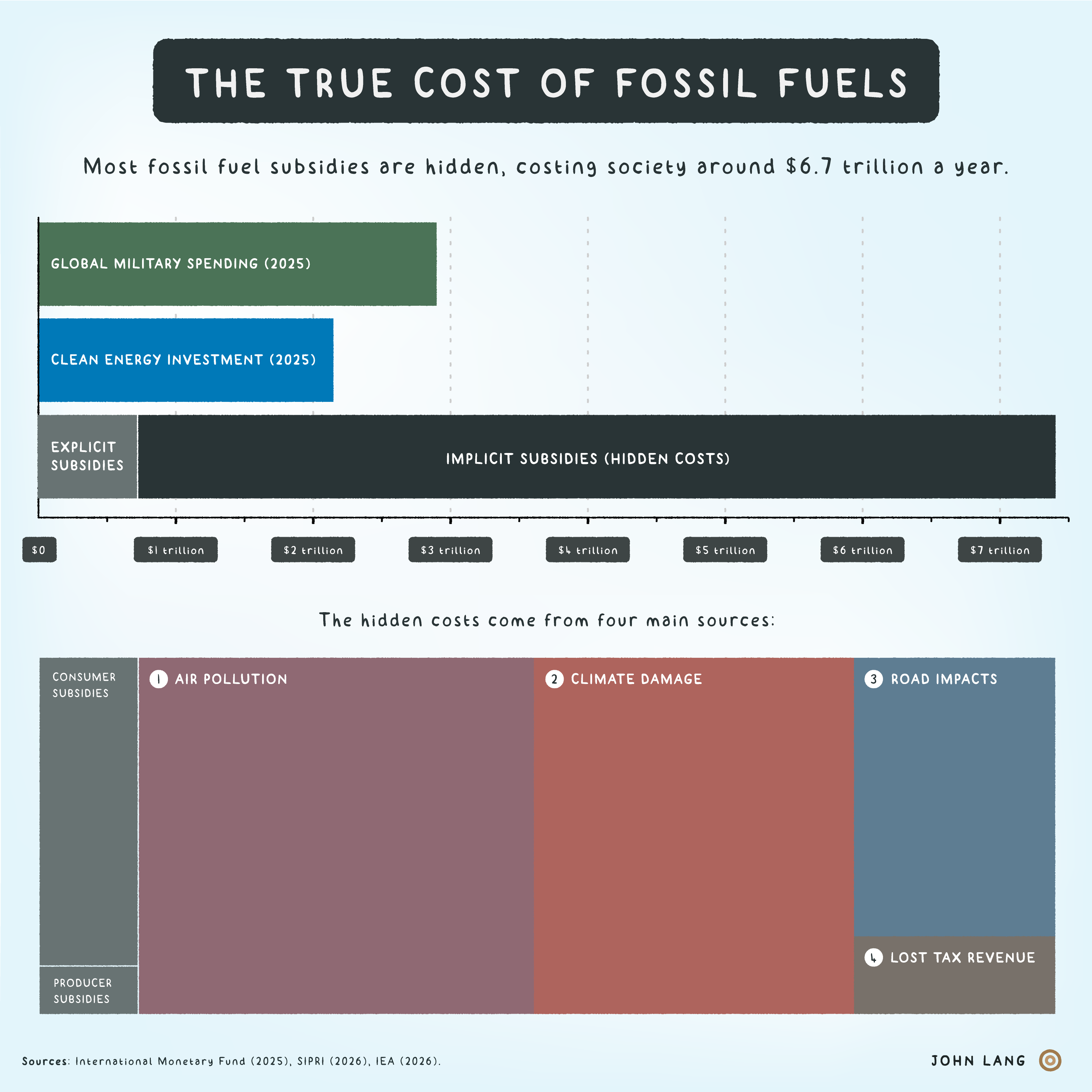
What's more, the economics of the energy transition keep moving in net zero's favour. Plummeting clean energy costs and concerns about energy security have strengthened the case for moving away from fossil fuels. Deploying solar, batteries and EVs is now a matter of economic self-interest and fiscal resilience, even if climate isn't top of the agenda.
The end of the beginning
In two decades, net zero has gone from a scientific insight on a train to a near-universal organising goal for governments and businesses.
The politics will stay contested. The physics won't budge. And the impacts of global heating will only get harder to ignore.
Net zero's story has only just begun.